A successful dialysis session depends on much more than just the machine performing the blood filtration. Patients typically spend several hours seated during each treatment, often multiple times per week. In this context, the choice of a renal dialysis chair becomes a crucial part of the treatment environment. A renal treatment chair is not merely a seat; it is a carefully engineered piece of clinical furniture designed to support the physical and emotional well-being of patients undergoing prolonged hemodialysis.
In this guide, we are gonna explore what these chairs are, why they matter for patient comfort, and how thoughtful design choices can make a measurable difference in the overall treatment experience.
What Is a Renal Dialysis Chair?
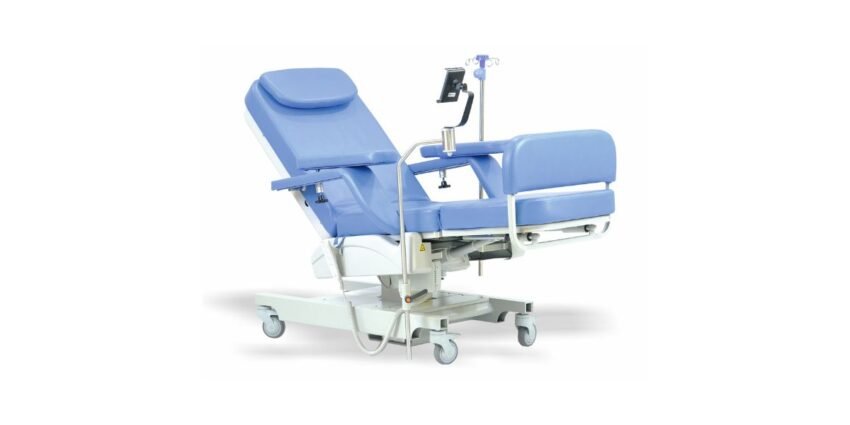
A renal dialysis chair is a specialized medical seat used primarily during hemodialysis sessions. These chairs are engineered to support the body comfortably for extended periods while maintaining easy access for blood lines, venous needles, and clinical adjustments. Unlike a standard chair, they offer a range of mechanical or electronic adjustments to the backrest, leg rest, height, and arm supports, ensuring that both patients and caregivers can find functional and comfortable positions throughout the treatment.
Modern designs often incorporate features such as:
- Electric adjustments for reclining or raising specific sections;
- Soft, high-grade cushioning for pressure relief;
- Adjustable armrests for vascular access; and
- Lockable wheels for secure placement and mobility.
These components work together to create an environment where patients can remain relaxed, safe, and supported from start to finish.
The Importance of Comfort in Dialysis
Hemodialysis treatments are inherently long. Most sessions last between three and five hours, and many patients undergo this therapy regularly throughout their lives. Sitting for such durations without appropriate support can lead to discomfort, stiffness, and stress on the musculoskeletal system.
A well-designed renal treatment chair addresses these concerns by:
- Supporting Natural Posture: Ergonomic contours and padding help align the spine and limbs, reducing strain on muscles and joints. This minimizes the risk of back pain and circulation issues that can occur during long, stationary periods.
- Relieving Pressure Points: High-density cushioning redistributes pressure away from sensitive areas, preventing numbness and discomfort.
- Reducing Fatigue: Comfortable seating helps patients relax physically, which can also reduce treatment fatigue and improve their tolerance for repeated sessions.
These aspects of comfort are not just luxury; they directly influence treatment adherence and quality of life. When patients feel pain or stifling discomfort during dialysis, they may experience anxiety leading up to future visits or even shorten their sessions prematurely, which can negatively affect the effectiveness of the therapy.
Ergonomics and Adjustability
Ergonomics plays a central role in the design of a renal treatment chair. A key factor is adjustability, which allows the chair to adapt to a wide range of body sizes, clinical needs, and comfort preferences. With adjustable backrests, leg rests, and footrests, patients can change positions during treatment to reduce stiffness and promote better blood circulation.
Some advanced models feature electric controls that allow patients or caregivers to change positions with the press of a button. Smooth, motorized adjustments prevent sudden jerks that might otherwise cause discomfort, dizziness, or stress at a needle site.
Adjustable armrests are particularly important. During dialysis, access to the patient’s arm for catheter or fistula placement must be secure and unobstructed. Arm supports that can be raised, lowered, or positioned out of the way help clinicians perform their tasks with precision while keeping the patient comfortable.
Safety and Accessibility
In addition to comfort, a dialysis chair must also address safety and accessibility. Many patients undergoing dialysis are elderly or may have limited mobility. Chairs designed with a lower entry height and easy access help patients sit down and stand up with less effort.
Lockable wheels ensure that once positioned, the chair remains stable and secure. This stability is especially important when adjusting needles, changing treatment settings, or responding to patient movement during treatment sessions.
Hygiene and Infection Control
Hospitals and clinics maintain strict hygiene standards, especially in settings where invasive procedures like dialysis are performed. A quality renal treatment chair is made with disinfectant-resistant upholstery that can withstand regular cleaning without degrading. This helps prevent infection and ensures that the surface remains safe for different patients over many cycles of use.
Furthermore, materials that resist fluid penetration and microbial growth contribute to a cleaner, safer treatment environment. Chairs that are easy to wipe down help clinical staff maintain compliance with infection control protocols without excessive effort or time.
Psychological Well-Being
The impact of a dialysis session goes beyond the physical. Long hours attached to medical machinery can be mentally and emotionally taxing. When patients sit in chairs that lack comfort and adjustability, they may feel anxiety, stress, or claustrophobia.
By contrast, a well-supported seating experience encourages relaxation and a sense of dignity. Being comfortable can help reduce tension, making it easier for patients to enter a calmer state of mind at the beginning of treatment. This psychological comfort improves compliance and contributes positively to the overall treatment atmosphere.
Enhancing the Caregiver Experience
While patient comfort is central, the ergonomic design of a renal treatment chair also improves the work experience for healthcare professionals. Electric adjustments reduce the physical effort required to reposition patients manually. This not only speeds up preparation time but also reduces the likelihood of caregiver strain or injury.
Easy-to-operate controls and stable structures allow clinicians to focus more on patient care and less on furniture handling. This creates a more efficient clinical workflow in busy dialysis centers.
Conclusion
A renal dialysis chair plays a pivotal role in supporting the comfort, safety, and overall experience of patients undergoing prolonged dialysis sessions. Its ergonomic design, adjustability, and supportive features help reduce physical discomfort, enhance circulation, and improve emotional well-being during treatment. Moreover, these chairs contribute to clinical efficiency and safety, making them indispensable in any dialysis setting.
If you are looking for precision engineering and patient-focused healthcare furniture solutions, Esthetica Medical Furniture is a trusted manufacturer of advanced renal treatment chairs designed for comfort, hygiene, and clinical efficiency. Their chairs feature electric adjustments, soft cushioning, disinfectant-resistant upholstery, and thoughtful ergonomic design to support both patients and healthcare providers with reliable performance and enhanced care quality.