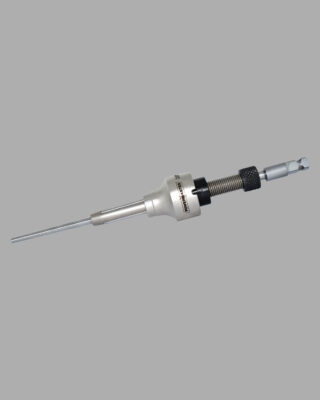
Industrial facilities use boiler systems to supply heat for various applications, including power generation and manufacturing processes. The boiler tube expander serves as an essential tool that maintains optimal performance of these systems. The device secures tubes in their designated positions which allows the boiler to function without experiencing leaks or operational issues. The article defines boiler tube expanders and showing their operational role in industrial boiler systems.
What Are Boiler Tube Expanders?
Boiler tube expanders are tools used to expand the ends of tubes in boilers. The device creates a secure connection by binding the tube to its sheet which serves as the base for tube installation. The system requires this seal to stop hot gases or water from escaping which would result in both efficiency loss and safety threats.
The equipment exists in different designs to address the requirements of multiple boiler configurations. For example:
- Some are manual, operated by hand for small jobs.
- Others are powered by air or electricity for larger tasks.
- The system uses rolling mechanisms which enable it to widen the tube at an equal rate throughout its length.
Industrial boilers use tubes to transport steam and hot water at extremely high pressure. The tubes become loose through multiple periods of use. The solution uses a tube expander which reshapes the tube end to create a strong connection between the tube and its sheet.
How Do Boiler Tube Expanders Work?
The tube installation process begins with the operator inserting the tube expander into the tube end. The tool uses expandable components, which include mandrels and rollers to create pressure against the tube wall.
The process begins with these steps:
- Preparation: Clean the tube and tube sheet to remove debris. The tube diameter measurement determines which expander size should be used.
- Insertion: The tube expander needs to be placed into the tube with proper alignment for the designated expansion zone.
- Expansion: The tool needs activation. The roller type requires rotation, which will make the rollers expand outwards, thus increasing the tube diameter. The process creates a mechanical connection between the two objects.
- Inspection: After expansion, check for even contact and no cracks. The seal testing requires gauging instruments that validate the established seal.
The method prevents leakage in industrial boilers, which would otherwise result in operational interruptions. The fire-tube boiler uses an expansion method to maintain optimal heat transfer performance through its tubes. The method requires precise force application because excessive force will damage the tube, while insufficient force will create openings between the tube parts.
Key Applications and Benefits
Boiler tube expanders play a role in both maintenance activities and the installation of new equipment. The power plants use them during the retubing process, which involves replacing existing tubes with new ones. The equipment ensures reliable connections through its ability to maintain safety in environments that contain chemical agents.
The advantages are:
- Improved safety by reducing leak risks.
- Better tube stability leads to extended operational lifetime for boilers.
- Cost reduction through fewer equipment repairs.
- Quick implementation, which reduces the duration of system shutdowns.
The selection of an appropriate tube expander needs to consider the tube material, which includes steel and copper, together with the boiler pressure rating.
Conclusion
Boiler tube expanders serve as essential components that industrial facilities need to keep their boiler systems operational. The system functions through creating dependable seals that maintain efficiency while stopping equipment failures. The correct application of maintenance procedures, which include normal upkeep and extensive system repairs, allows boilers to maintain their top performance for an extended time period.