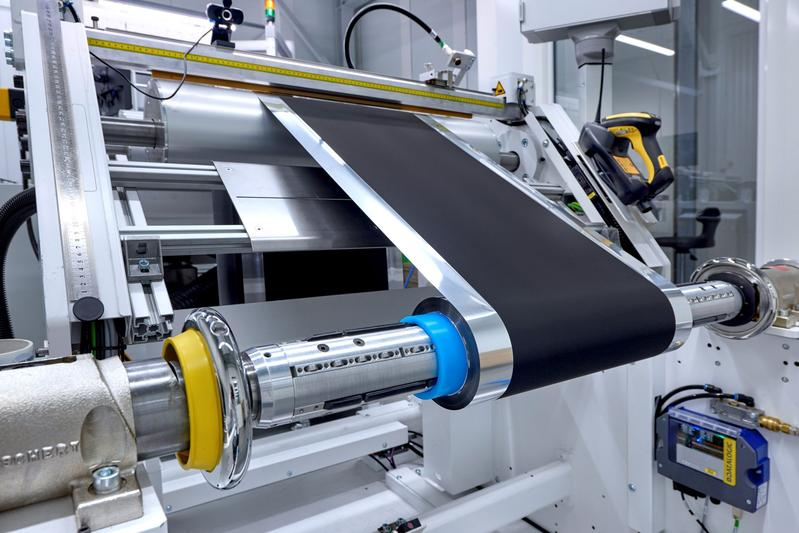
Carbon has been a transformative material across multiple industries, from electronics to automotive. Its unique electrical, thermal, and mechanical properties make it indispensable in applications that demand durability, efficiency, and conductivity. Among its many applications, conductive carbon inks have emerged as a cornerstone in modern electronics manufacturing, while innovations in carbon-based materials have significantly influenced the development of advanced carbon tyres.
In this blog, we explore the science behind carbon inks and carbon tyre technologies, discussing their manufacturing processes, properties, applications, and the industry’s future trajectory.
Understanding Conductive Carbon Inks
Conductive carbon inks are specialized formulations designed to conduct electricity while maintaining flexibility and adhesion on various surfaces. These inks typically consist of carbon particles suspended in a solvent or polymer matrix, allowing them to be printed or coated onto substrates for electronic circuits.
Key Properties of Conductive Carbon Inks
- Electrical Conductivity: Carbon particles provide pathways for electrons, enabling electrical current to flow. Conductive carbon inks are widely used in printed electronics, RFID tags, and flexible displays because of their reliable conductivity.
- Flexibility: Unlike traditional metallic inks, carbon inks retain conductivity even when bent or stretched. This makes them ideal for wearable electronics and flexible devices.
- Chemical Stability: Carbon’s inert nature ensures resistance to oxidation and chemical degradation, which is crucial for applications exposed to varying environmental conditions.
- Cost-effectiveness: Compared to silver or gold-based conductive inks, carbon inks offer a more affordable solution without compromising performance.
Applications in Modern Electronics
Conductive carbon inks enable a wide range of electronics applications. They are used in:
- Flexible Circuit Boards: Conductive carbon inks are widely used in flexible circuit boards, allowing circuits to bend and conform to innovative designs while maintaining reliable electrical performance.
- Sensors and Biosensors: These inks are critical in sensors and biosensors, ensuring precise and consistent electrical pathways for accurate measurements and responsive functionality.
- Printed Antennas: Conductive carbon inks are employed in printed antennas, supporting efficient signal transmission in compact, lightweight, and high-performance electronic devices.
- Energy Storage Devices: From batteries to supercapacitors, these inks enhance energy storage solutions by improving conductivity, efficiency, and durability, meeting the growing demand for portable and sustainable electronics.
By integrating conductive carbon inks into electronics, manufacturers can produce lightweight, efficient, and cost-effective devices that meet the demands of modern consumers.
The Manufacturing Process of Carbon Inks
The production of high-quality carbon inks involves multiple steps to ensure uniform dispersion of carbon particles, appropriate viscosity, and stable electrical performance.
- Selection of Carbon Materials: The choice of carbon type, such as graphite, graphene, or carbon black, determines the conductivity, viscosity, and particle size distribution.
- Dispersion and Mixing: Carbon particles are dispersed in a solvent or polymer matrix using high-shear mixing or ultrasonic techniques. This ensures even distribution and prevents agglomeration.
- Formulation Optimization: Additives such as binders, surfactants, and stabilizers are included to enhance adhesion, flexibility, and shelf life.
- Testing and Quality Control: Electrical resistance, viscosity, and printability are tested to ensure consistent performance in electronic applications.
The mid-range integration of conductive carbon inks in industrial electronics continues to grow, particularly as IoT devices and flexible electronics expand in scope.
Exploring Carbon Resistive Inks
While conductive inks focus on low resistance and high conductivity, carbon resistive ink is engineered to provide controlled resistance. These inks are crucial for producing resistors, heating elements, and other components where precise electrical properties are required.
Advantages of Carbon Resistive Ink
- Customizable Resistance: By adjusting the carbon content and particle size, manufacturers can create inks with specific resistance values.
- Durability: Carbon resistive inks maintain performance under thermal and mechanical stress.
- Versatility: Suitable for printing on ceramics, plastics, or flexible substrates.
Applications include printed electronics, smart labels, and heating devices. The use of carbon resistive ink ensures that devices function safely, efficiently, and consistently across their operational lifetime.
Carbon Tyre Technologies
Beyond electronics, carbon materials are revolutionizing the automotive industry, particularly in tyre manufacturing. Carbon tyres incorporate carbon black and other carbon-based fillers to enhance performance, durability, and safety.
Key Benefits of Carbon Tyres
- Enhanced Wear Resistance: Carbon black reinforces the rubber matrix, improving abrasion resistance and extending tyre lifespan.
- Improved Traction: Carbon fillers increase friction with road surfaces, enhancing grip and vehicle safety.
- Thermal Management: Carbon absorbs heat generated during driving, reducing the risk of tyre failure under high temperatures.
- Fuel Efficiency: By optimizing the stiffness and flexibility of the tyre, carbon compounds contribute to lower rolling resistance, improving fuel economy.
The integration of carbon materials into tyres highlights the versatile applications of carbon beyond electronics, demonstrating its critical role in automotive innovation.
Environmental and Sustainability Considerations
With increasing focus on sustainability, carbon ink and carbon tyre manufacturers are exploring eco-friendly solutions:
- Bio-based Carbon Sources: Using renewable biomass to produce carbon black or other carbon derivatives.
- Recyclable Substrates: Printing inks on substrates that can be reused or recycled reduces environmental impact.
- Energy-efficient Production: Optimizing manufacturing processes to lower energy consumption and carbon footprint.
These efforts not only reduce environmental impact but also align with regulatory standards and consumer expectations for sustainable products.
The Future of Carbon Technologies
Both carbon inks and carbon tyres are poised for continued growth and innovation:
- Flexible Electronics: As wearable devices, smart textiles, and foldable displays become mainstream, demand for conductive and resistive carbon inks will increase.
- Automotive Advancements: Carbon tyres will continue evolving with electric vehicles and autonomous driving, where efficiency, safety, and durability are paramount.
- Hybrid Applications: Research is ongoing to combine carbon inks with advanced materials like graphene for enhanced conductivity and thermal management.
The science behind carbon materials remains at the cutting edge of technology, offering solutions that are both high-performing and versatile.
Conclusion
The science of carbon-based materials has profoundly impacted the electronics and automotive industries. Conductive carbon inks and carbon resistive ink have enabled flexible, efficient, and cost-effective electronics, while carbon tyres have improved vehicle safety, durability, and fuel efficiency.
For companies seeking reliable carbon solutions, Birla Carbon offers expertise in material innovation, quality, and sustainability. By leveraging advanced carbon technologies, businesses can develop high-performance products, maintain industry standards, and meet modern consumer expectations. Birla Carbon continues to lead the industry by providing innovative carbon materials that empower manufacturers across multiple sectors.