Heart disease continues to rank among the most serious global health concerns, not only because of its mortality rate but also due to its long-term impact on daily life. Many heart conditions can be managed through medication and lifestyle changes, but when structural damage or blocked arteries interfere with blood flow, surgery often becomes essential.
In recent years, robotic cardiac surgery has changed how these life-saving procedures are performed. Instead of relying solely on large incisions and extended recovery periods, surgeons now combine their expertise with robotic precision to treat complex cardiac conditions more safely and efficiently. This shift is redefining patient experience, surgical accuracy, and recovery timelines across cardiothoracic care.
The Shift from Traditional Open Surgery
For decades, open-heart surgery was the standard approach for treating severe cardiac conditions. While effective, it involved significant physical trauma and long rehabilitation periods.
Traditional open surgery typically required:
- A large incision through the breastbone.
- Separation of the ribs to access the heart.
- Higher blood loss and post-operative pain.
- Longer hospital stays and visible scarring.
As medical technology evolved, minimally invasive techniques began to reduce these challenges. Robotic systems took this evolution further by allowing surgeons to operate through small incisions with enhanced visibility and control.
What Makes Robotic Heart Surgery Different
Robotic heart surgery is a form of minimally invasive cardiac surgery that uses a computer-assisted robotic system controlled entirely by the surgeon. The robot does not make decisions on its own. Instead, it mirrors the surgeon’s hand movements with exceptional steadiness and precision.
This approach allows surgeons to:
- Access the heart without opening the chest.
- Operate between the ribs using keyhole-sized incisions.
- Perform delicate repairs with greater accuracy.
- Minimize trauma to surrounding tissues.
The result is a procedure that maintains the effectiveness of traditional surgery while significantly improving patient comfort and recovery.
Core Components of Robotic Surgical Technology
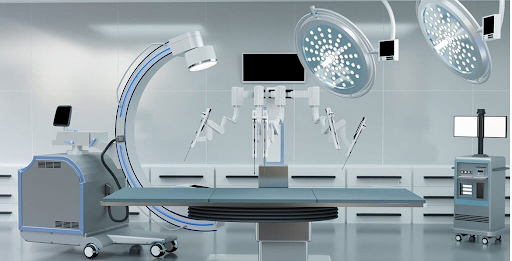
Robotic cardiac systems rely on three main elements working in harmony.
Robotic arms
- Equipped with ultra-thin surgical instruments.
- Mimic the natural movement of human wrists and fingers.
- Offer a wider range of motion than the human hand.
High-definition 3D camera
- Provides a magnified, three-dimensional view of the heart.
- Enhances the visibility of small blood vessels and tissues.
- Allows surgeons to operate with greater confidence.
Surgeon console
- Serves as the control hub for the entire procedure.
- Translates hand movements into precise instrument actions.
- Filters out hand tremors for smoother performance.
Together, these components allow surgeons to work with unmatched precision in complex cardiac procedures.
Conditions Commonly Treated Using Robotic Techniques
Robotic approaches are suitable for many, but not all, heart conditions. Careful patient selection ensures safety and effectiveness.
Robotic surgery is often used to treat:
- Coronary artery disease where blocked arteries reduce blood flow to the heart.
- Valvular heart disease involves stiff or leaking heart valves.
- Certain congenital heart defects present from birth.
- Select cases of arrhythmias requiring surgical intervention.
- Removal of benign cardiac tumors.
Each case is evaluated individually based on heart anatomy, disease severity, and overall patient health.
Pre-Surgical Evaluation and Diagnostic Tests
Before recommending robotic surgery, doctors conduct thorough diagnostic assessments to ensure the patient is a suitable candidate.
These evaluations commonly include:
- Chest X-ray to assess lung and chest structure.
- Echocardiogram to evaluate heart function and valve performance.
- Cardiac catheterization to identify arterial blockages.
- CT scans to map chest anatomy and surgical access points.
These tests allow surgeons to plan the procedure in advance, reducing risks and improving surgical outcomes.
Step-by-Step Overview of the Procedure
Understanding the surgical process often helps ease patient anxiety.
The procedure typically follows these steps:
- The patient is given anesthesia and remains unconscious throughout surgery.
- A breathing tube is inserted and connected to a ventilator.
- Three to four small incisions are made on the side of the chest.
- Robotic arms and a high-resolution camera are inserted through these incisions.
- The surgeon performs the operation from a nearby console.
- Once completed, instruments are removed, and incisions are closed.
Because the chest bone is not cut, patients usually experience less pain and faster healing.
Advantages of Robotic Cardiac Surgery
Robotic techniques offer several benefits over conventional approaches, making them increasingly preferred when suitable.
Reduced blood loss
- Smaller incisions limit damage to blood vessels.
- Lower likelihood of requiring blood transfusions.
Enhanced surgical precision
- Improved visualization of delicate structures.
- Greater control during complex repairs.
Faster recovery
- Shorter hospital stays.
- Return to normal activities.
- Less post-operative discomfort.
Lower infection risk
- Minimal exposure of internal tissues.
- Reduced chances of surgical site infections.
These benefits collectively improve both short-term recovery and long-term outcomes.
The Expanding Role of Robotics in Heart Care
As surgeons gain more experience and technology continues to advance, robotic methods are becoming more widely accepted. Midway through this transformation, robotic heart surgery has established itself as a reliable alternative to open procedures for many patients.
Clinical studies published in respected medical journals highlight reduced complication rates and improved recovery profiles. These findings confirm that robotic techniques are not experimental but a well-supported advancement in modern cardiac care.
Emotional and Lifestyle Benefits for Patients
Beyond physical healing, robotic procedures often provide psychological reassurance.
Patients commonly report:
- Greater confidence due to minimal scarring.
- Reduced fear of prolonged recovery.
- Improved mental well-being after faster rehabilitation.
These emotional benefits play an important role in overall heart health and long-term recovery.
Looking Ahead at the Future of Cardiothoracic Surgery
The future of heart surgery lies in combining robotic systems with advanced imaging, data-driven planning, and surgeon expertise. Digital simulations, enhanced visualization, and precision tools are helping surgeons deliver safer and more personalized care.
While technology continues to evolve, skilled surgeons remain at the heart of successful outcomes. Robotics simply amplifies their ability to perform complex procedures with confidence.
Conclusion
Robotic technology has transformed cardiothoracic surgery by making it safer, more precise, and less invasive. With quicker recovery times, fewer complications, and improved patient comfort, robotic approaches are redefining how heart conditions are treated and offering new hope to patients facing complex cardiac challenges.
If you are looking for expert cardiac care or advanced treatment options for heart conditions, reaching out to experienced cardiologists and specialized heart surgeons like Dr. Udgeath Dhir can help you make informed decisions about your treatment journey. As an experienced cardiothoracic and vascular surgeon, he has played a key role in advancing modern cardiac techniques across leading hospitals. His focus on precision, innovation, and patient-centered care highlights how expertise and technology together shape the future of heart surgery.