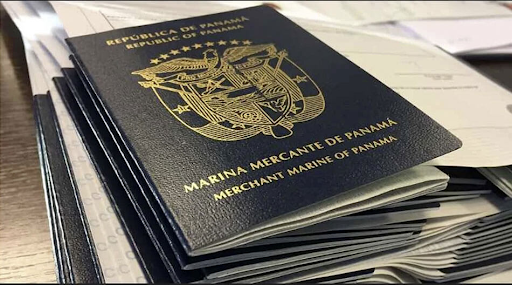
Many maritime professionals apply for a Liberia Seaman Book to work legally on international vessels. A Seaman Liberia document serves as official proof of identity, qualifications, and verified sea service. Despite meeting eligibility criteria, some applications are rejected due to documentation errors or missing requirements. In most cases, these issues arise from preventable mistakes rather than serious disqualification. A careful review of documents and compliance standards can significantly improve approval chances.
Below are common reasons why applications face rejection and what applicants should check before submission.
1. Incomplete Application Form
An incomplete or inaccurately filled application form is one of the most common reasons for rejection. Every section must be completed clearly and truthfully. Missing personal details, skipped fields, or unsigned declarations often result in processing delays.
Even minor mistakes, such as incorrect passport numbers or inconsistent contact details, can raise concerns during verification. Authorities carefully review each entry to ensure accuracy. Reviewing the form thoroughly before submission helps prevent avoidable errors.
2. Mismatched or Incorrect Documents
All submitted documents must present consistent information across every record when applying for a Liberia Seaman Book. Differences in name spelling, date of birth, or passport numbers often lead to rejection. These inconsistencies create doubts about the authenticity of the application.
Each document is carefully cross-checked against official identification and supporting certificates during the Seaman Liberia verification process. Even small discrepancies can interrupt the review and delay approval. Ensuring that all documents are updated, accurate, and aligned significantly reduces the risk of denial.
3. Expired or Invalid Medical Certificate
A valid medical fitness certificate confirms that a seafarer is physically capable of performing sea duties. Applications are frequently rejected when this certificate has expired or fails to meet required standards.
Common issues include missing signatures, lack of an official stamp, or certification from an unapproved medical practitioner. The certificate must remain valid at the time of submission. Checking compliance and expiration dates in advance helps avoid unnecessary delays.
4. Improper Sea Service Documentation
Sea service records verify onboard experience and professional history. Incomplete or improperly endorsed documents often result in rejection. Missing discharge certificates, incorrect service dates, or absence of company verification weaken the credibility of the application.
Each record should clearly state vessel details, service duration, and official endorsements. Properly signed and stamped documents provide strong evidence of sea time and improve approval prospects.
5. Outdated or Non-Compliant Training Certificates
Training and competency certificates must comply with current international maritime standards when applying for a Liberia Seaman Book. Expired safety training, missing endorsements, or certificates issued by non-recognized institutions may lead to rejection.
Applicants should carefully confirm that all mandatory courses remain valid and properly documented before submitting a Seaman Liberia application. Ensuring that certifications meet regulatory requirements strengthens the overall file and improves the likelihood of approval.
Conclusion
Rejections typically occur when key documentation requirements are not fully met. Errors in personal details, incomplete forms, expired medical certificates, improper sea service records, or non-compliant training documents can all affect approval. Since each application is carefully verified, accuracy and validity across every document are essential. Careful preparation and a thorough final review help ensure a smoother process and a stronger chance of approval.