Understanding your financial health is crucial, especially when planning for loans, credit cards, or mortgages. One of the key terms you may come across is CIBIL. This term is closely connected to your creditworthiness and plays a vital role in how financial institutions evaluate you. In this article, we will delve deep into the CIBIL full form, understand its importance in credit history, and discuss ways to address a low CIBIL score for financial needs using innovative solutions such as instant loan apps.
What is CIBIL? Full Form Explained
CIBIL stands for Credit Information Bureau (India) Limited. It is India’s first credit information company established in 2000. CIBIL collects and maintains credit-related data about individuals and organizations from financial institutions like banks and non-banking financial companies (NBFCs). Based on this information, CIBIL generates credit reports and assigns a credit score, which reflects an individual’s or entity’s creditworthiness.
The CIBIL long form emphasizes its primary function, which is to serve as a central repository of credit information in India to help lenders efficiently evaluate loan applications.
What is a CIBIL Score?
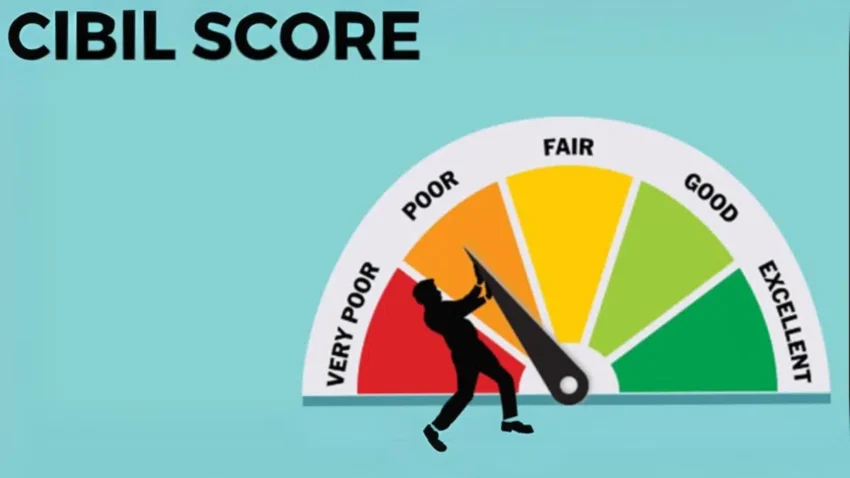
One of the most critical aspects of CIBIL’s role in credit history is the CIBIL score. The CIBIL score is a three-digit number ranging from 300 to 900, which summarizes your credit history and financial behavior. Here is what the score signifies:
- 300-550: Poor score representing a high-risk borrower.
- 550-700: Average score indicating moderate risk.
- 700-900: Excellent score showing high creditworthiness.
A higher CIBIL score increases the chances of your loan application being approved, while a lower score might indicate a risk for lenders.
How Does CIBIL Operate?
To better understand the CIBIL full form and its role, let’s look at its operational process:
Data Collection
CIBIL collects information from various financial institutions, including your credit card usage, loan repayment history, and other credit activities.
Credit Report Generation
Based on this collected data, it prepares a detailed credit report for an individual or organization.
Credit Score Assignment
Using advanced algorithms, CIBIL calculates your credit score to reflect your credit health.
Loan Assistance
Lenders and banks refer to this report and score to evaluate the risk associated with approving your loan.
In essence, CIBIL acts as a bridge between lenders and borrowers, ensuring the financial system operates with accountability and transparency.
The Role of CIBIL in Your Credit History
Now that you know the CIBIL full form, let us explore the significance of CIBIL in shaping an individual’s credit history:
Evaluation of Creditworthiness
CIBIL provides an impartial view of your financial credibility. Banks and NBFCs rely on your CIBIL score to assess whether you are a responsible borrower and capable of repaying a loan.
Impact on Loan Approval
A high CIBIL score boosts your chances of obtaining loans with lower interest rates. On the other hand, a low score can lead to loan rejection, higher interest rates, or stricter repayment terms.
Financial Monitoring
Your CIBIL score helps you monitor your financial behavior. By regularly checking your score, you gain insights into areas where you need improvement to increase your creditworthiness.
Importance in Employment
Certain employers may review your credit history and CIBIL score while assessing your reliability and financial discipline during hiring, especially for jobs involving financial responsibilities.
CIBIL is, therefore, a key tool for financial institutions and individuals alike in monitoring and managing credit behavior.
Factors Affecting Your CIBIL Score
A clear understanding of what influences your CIBIL score can guide you toward maintaining and improving it. Some key factors include:
Payment History
Timely repayments contribute to a higher score. Delayed or missed payments negatively affect your credit history.
Credit Utilization
If you constantly reach or exceed your credit limit, it can signal poor financial management, hurting your score.
Credit Age
The longer your credit history, the better lenders can assess your repayment patterns, contributing positively to your score.
Types of Credit
Diversified credit, such as a mix of secured (home loans) and unsecured debt (credit cards), is favorable for a better CIBIL score.
Multiple Loan Applications
Applying for too many loans or credit cards in a short period can lead to hard inquiries, reducing your score.
Understanding these factors is essential for maintaining a high CIBIL score, which directly impacts your borrowing potential.
What If You Have a Low CIBIL Score?
A low CIBIL score may seem like an obstacle, but it is not the end of the road. There are ways to overcome it, especially with the rise of digital lending platforms and other tools.
Improving Your CIBIL Score
The first step to resolving a low CIBIL score is creating a strategy to improve it. Here’s how:
- Clear overdue debts, especially credit card bills.
- Avoid making multiple loan applications in a short time.
- Keep your credit utilization ratio below 30%.
- Regularly verify your CIBIL reports for discrepancies and get them corrected.
Instant Loan Apps for Low CIBIL Score
Financial innovation has introduced instant loan app for low CIBIL score users, providing quick loans even to individuals with low credit ratings. These apps have become popular for several reasons:
- Flexible Eligibility Criteria
- Quick Loan Processing
- Small Loan Amounts
- Accessibility
Popular examples of instant loan apps for low CIBIL score include MoneyTap, KreditBee, EarlySalary, and PaySense. However, borrowers should carefully explore the interest rates and repayment terms to ensure the loan is manageable.
How to Check Your CIBIL Score?
Checking your CIBIL score regularly helps you assess and improve your financial health. You can follow these steps to access your CIBIL report:
- Go to the official CIBIL website.
- Register by providing your basic details such as name, date of birth, PAN number, and email ID.
- Authenticate your identity.
- Receive your CIBIL report instantly upon successful verification.
You can also access your CIBIL score through bank websites or financial apps partnered with CIBIL. Some platforms may even provide complimentary yearly CIBIL score checks.
Why Maintaining a Good CIBIL Score Matters
Whether planning for a long-term investment or needing emergency credit, your CIBIL score directly dictates the feasibility of obtaining loans. A good credit score is instrumental not only in getting loans approved but also in securing competitive interest rates, saving substantial amounts in the repayment process.
Furthermore, your credit score impacts your financial reputation. It reflects your ability to manage money responsibly, paving the way for financial opportunities and stability.
Conclusion: Boost Your Financial Future With a Healthy CIBIL Score
Understanding the CIBIL full form and its role in your credit history is the first step toward becoming financially empowered. CIBIL helps lenders evaluate loan applications, while borrowers can use it to create better financial standing. Ensuring timely loan repayments, utilizing credit wisely, and continuously monitoring your credit behavior can steadily improve your CIBIL score.
For individuals struggling with a low CIBIL score, technological innovations like instant loan apps for low CIBIL score provide options for accessing vital funds. However, it is always advisable to work on increasing your score to secure better financial offers in the future.
Your credit health is a reflection of your financial habits, and a good CIBIL score can pave the way for a brighter financial future. Learn, plan, and act wisely to achieve financial independence and stability today!