When applying for a loan, lenders often ask for collateral as part of the agreement. But what exactly is collateral, and why does it play such a critical role in lending? If you’re considering borrowing money, it’s essential to understand how collateral works, why it matters, and the implications it has on your financial well-being. This article explains everything you need to know about collateral, how it ties into the lending process, and what happens if you fail to repay your loan.
What Is Collateral?
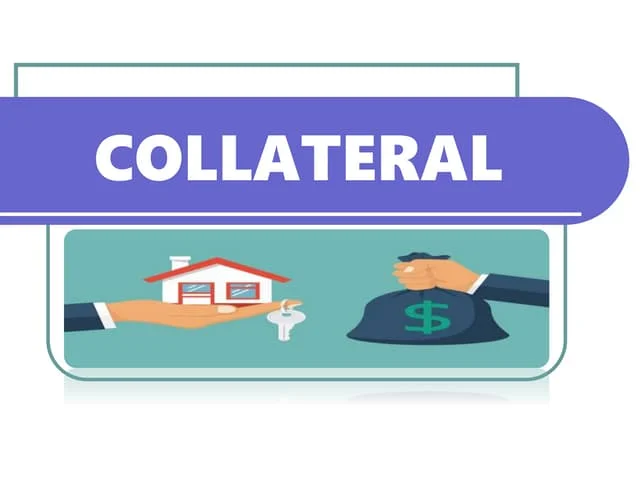
Collateral refers to an asset that a borrower offers to a lender as security for a loan. It serves as a form of guarantee, ensuring that the lender has a way to recoup their money if the borrower fails to repay the loan. Collateral can be tangible assets like real estate, vehicles, or jewelry, or even intangible assets such as stocks and bonds.
The concept of collateral reduces the lender’s risk. By offering something of monetary value, the borrower demonstrates a commitment to fulfilling the loan terms. If the loan is not paid back, the lender has the legal right to seize the collateral and sell it to recover the funds owed.
Types of Collateral
There is a wide range of assets that can serve as collateral. Here are the most common types:
Real Estate
Real estate, such as houses and land, is one of the most valuable forms of collateral. Mortgages are prime examples of loans secured by real estate collateral.
Vehicles
Automobiles can serve as collateral for loans like auto loans or title loans.
Savings and Investment Accounts
Stocks, bonds, certificates of deposit, and other financial assets can be pledged as collateral.
Business Equipment and Inventory
Entrepreneurs often use business assets, such as equipment and product inventory, as collateral for financing.
Valuables
Precious metals, jewelry, and art can also be pledged.
Lenders usually prefer collateral that is easily appraised and can quickly be converted into cash if necessary.
Why Does Collateral Matter?
Collateral matters significantly for both borrowers and lenders. Here’s how:
Reduces Risk for Lenders
For lenders, the inclusion of collateral minimizes the risk of losing money. By holding claim to an asset, the lender has reassurance that if the borrower defaults on the loan, they can still recover their losses by seizing and selling the collateral.
Helps Borrowers Access Larger Loans
Collateral allows borrowers to access larger amounts of credit compared to unsecured loans. Since the lender has a fallback option (the collateral), they are often more willing to approve higher loan amounts.
Leads to Lower Interest Rates
Secured loans—those backed by collateral—usually have lower interest rates than unsecured loans, such as personal loans or credit cards. This is because the presence of collateral reduces the lender’s overall risk.
Offers Borrowers with Bad Credit More Opportunities
People with less-than-ideal credit histories often struggle to qualify for unsecured loans. However, providing collateral can make them eligible for secured loans since lenders prioritize the value of the asset over the borrower’s credit score.
Risks Associated With Collateral
While collateral has many advantages, it is important for borrowers to understand the risks it entails. If you fail to repay the loan as stipulated in the agreement, the lender has the legal authority to seize the collateral. This process is often referred to as foreclosure or repossession, depending on the type of asset. Losing collateral can have significant financial and emotional consequences, especially if the asset is a vital part of your livelihood—such as your home or car.
What Is Foreclosure and How Does It Relate to Collateral?
Foreclosure is a legal process through which the lender takes possession of collateral when the borrower defaults on a loan. This term is most commonly used in the real estate industry, referring to the repossession of a home or property pledged as collateral for a mortgage.
During foreclosure, the lender typically sells the collateral in an attempt to recover the unpaid loan balance. Any proceeds beyond the owed amount may be returned to the borrower, but the borrower loses ownership of the asset permanently.
Here’s how the foreclosure process generally works for loans secured by collateral:
Default Occurs
Borrowers default when they fail to pay the agreed-upon loan installments.
Lender Issues Notices
Lenders usually send warnings and give the borrower time to catch up on payments before initiating foreclosure.
Legal Action
If the borrower does not respond, foreclosure proceedings begin. For real estate, this may involve court approval.
Possession and Sale of Asset
The lender seizes the collateral and sells it, often at auction.
Foreclosure is a last resort for lenders because of the costs and legal complexities involved. However, borrowers should keep in mind that failing to meet payment obligations puts their collateral at risk.
Secured Loans vs. Unsecured Loans: Key Differences
Loans can be broadly categorized as secured or unsecured, depending on whether collateral is required.
Secured Loans
- Backed by collateral (e.g., mortgages, auto loans)
- Lower interest rates due to reduced lender risk
- Larger borrowing amounts possible
- Loss of collateral if the borrower defaults
Unsecured Loans
- No collateral required (e.g., personal loans, student loans, credit cards)
- Higher interest rates due to increased lender risk
- Smaller loan amounts typically offered
- No loss of assets upon default, but credit scores are negatively impacted
How to Choose the Right Collateral for Your Loan
If you’re considering a secured loan, choosing the right collateral can maximize your chances of approval and reduce the potential for foreclosure. Follow these tips:
Assess Your Asset’s Value
The collateral should at least equal the loan amount. Lenders often require that collateral exceeds the loan value to account for potential depreciation.
Choose an Asset You Can Protect
Don’t pledge something you cannot afford to lose. For example, offering your home as collateral puts your shelter at risk if you default.
Understand Market Demand
Assets that have high liquidity—such as stocks or vehicles—are more attractive to lenders than those that are harder to sell.
Review Loan Terms
Ensure that the loan’s repayment terms are doable for you. Failure to make timely payments can lead to repossession of your collateral.
Seek Professional Advice
If you’re unsure which asset to use as collateral, consult a financial advisor to weigh your options.
The Role of Collateral in Preventing Loan Default
Collateral adds accountability to the borrowing process. Knowing that an asset is at stake often motivates borrowers to be responsible with their payments. This sense of obligation can help prevent loan default, saving borrowers from foreclosure and other financial difficulties.
However, borrowers should always ensure that their financial and income situation allows them to meet loan obligations comfortably. Overcommitment and poor planning can lead to unintended consequences.
Conclusion
Collateral is an integral part of the lending process, especially for secured loans. By pledging assets, borrowers gain access to larger loan amounts, lower interest rates, and broader financing opportunities, even with limited creditworthiness. On the lender’s side, collateral acts as a safeguard against loan defaults.
Despite its benefits, collateral comes with risks. Failing to repay the loan can result in foreclosure or repossession, causing borrowers to lose valuable assets. Understanding the loan terms, selecting the right collateral, and managing finances responsibly are crucial to avoiding these pitfalls.
Ultimately, collateral is a powerful tool that balances the risk between borrowers and lenders. Whether you’re borrowing for a home, car, or business, knowing how collateral works is key to making informed financial decisions. Always borrow within your means and ensure you can comfortably meet your repayment obligations to avoid the loss of your assets.