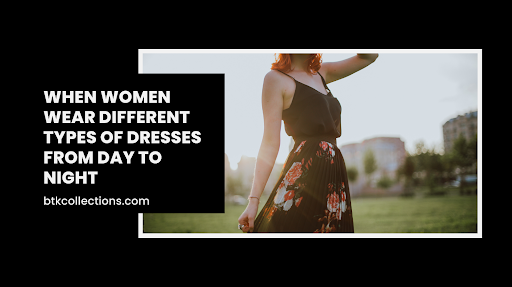
Women’s lives are not divided neatly into single moments. A typical day can include work, family time, social plans, and personal moments—all without much time to change outfits. This is why dresses continue to be one of the most practical and loved clothing choices for women. Dresses adapt naturally to time, place, and purpose, making them ideal for women who move through many roles in a single day.
Understanding when women wear different types of dresses helps explain why certain styles remain essential across cultures and lifestyles.
Morning and Daytime Dresses for Everyday Life
For many women, the day begins with responsibilities—getting ready for work, managing households, running errands, or attending meetings. Daytime dresses are chosen for comfort, ease, and practicality.
Common daytime dress preferences include:
- Comfortable fits that allow free movement
- Breathable fabrics suitable for long wear
- Simple silhouettes that feel polished but not restrictive
Women often choose midi dresses or casual dresses during the day because they balance comfort and structure. These styles feel appropriate in professional settings while remaining relaxed enough for everyday tasks.
Daytime dresses are not about making a statement—they are about supporting women as they move through their routines confidently.
Dresses for Work and Professional Settings
In work environments, women choose dresses that reflect confidence and professionalism without sacrificing comfort. A good work dress allows a woman to focus on her responsibilities rather than adjusting her clothing.
Work-friendly dresses often feature:
- Clean lines and modest lengths
- Comfortable fabrics for extended wear
- Designs that feel professional yet feminine
Many women prefer dresses for work because they simplify dressing while maintaining a polished appearance. A well-chosen dress can communicate authority, confidence, and approachability all at once.
At BTK Collections, dresses are curated to support women who need outfits that work throughout the day without feeling rigid or uncomfortable.
Afternoon to Evening Transition Dresses
One of the strongest reasons women love dresses is their ability to transition smoothly from day to evening. With small changes, a daytime dress can easily become evening-appropriate.
Common transition techniques include:
- Changing footwear from flats to heels
- Adding statement accessories
- Layering with a jacket or removing outerwear
This flexibility is especially valuable for women who move directly from work to social plans. Instead of changing outfits completely, women rely on dresses that adapt to the moment.
Midi dresses are particularly popular for this reason, as they feel balanced and appropriate across settings.
Evening Dresses for Social and Special Moments
Evening dresses often reflect a shift in mood. After a long day, women choose dresses that help them feel relaxed, confident, and present for social interactions.
Evening dress choices often depend on:
- The formality of the event
- Personal comfort levels
- Desire for elegance or simplicity
Some women prefer elegant midi dresses for dinners and gatherings, while others choose maxi dresses for formal occasions. The goal is not to impress, but to feel confident and comfortable while enjoying the moment.
Evening dresses often carry emotional meaning, marking moments of connection, celebration, or self-expression.
Dresses for Weekends and Personal Time
Weekends offer a different rhythm. Women often choose dresses that feel effortless and comfortable while still allowing them to feel put together.
Weekend dresses are commonly worn for:
- Brunches and casual meetups
- Shopping and city outings
- Relaxed family time
These dresses prioritize ease and movement. Women often choose flowy silhouettes, soft fabrics, and relaxed fits that reflect a slower pace of life.
The beauty of weekend dresses lies in their simplicity—they feel natural rather than styled.
Dresses for Travel and Vacations
When traveling, women often rely heavily on dresses. Dresses pack easily, adapt to different environments, and work for multiple occasions with minimal effort.
Travel-friendly dresses usually:
- Feel comfortable for long wear
- Adapt to weather changes
- Work for sightseeing and dining
Maxi and midi dresses are especially popular for vacations because they provide comfort, coverage, and elegance without requiring complex styling.
Across cultures, women rely on dresses while traveling because they simplify packing and dressing.
Dresses for Life’s Important Moments
Certain dresses are worn for moments that carry emotional significance—celebrations, milestones, or personal achievements. These dresses often stay in memory long after the moment has passed.
Women choose these dresses carefully, looking for:
- Comfort during long events
- Designs that reflect personal identity
- Styles that feel meaningful rather than trendy
These moments reinforce why dresses are more than clothing—they are part of women’s stories.
How Women Decide When a Dress Feels Right
Knowing when to wear a dress is often intuitive. Women rely on experience, comfort, and self-awareness rather than rules. The right dress is the one that feels aligned with the moment and the woman wearing it.
Women ask themselves:
- Can I move comfortably in this?
- Does this fit the setting?
- Do I feel confident and at ease?
When the answer is yes, the dress becomes the right choice—regardless of time or place.
BTK Collections and Dresses for Every Moment
BTK Collections understands that women need dresses that support them throughout the day and across life’s moments. By offering versatile styles suitable for different times and occasions, the collection reflects how women truly dress in the real world.
From daytime routines to evening gatherings, the dresses are chosen to move naturally with women’s lives.
Final Thoughts
Women wear different types of dresses at different times because their lives are dynamic and layered. Dresses adapt effortlessly to these changes, offering comfort, confidence, and flexibility from morning to night.
This adaptability is why dresses remain essential across cultures and generations. They are not tied to a single moment—they grow with women throughout the day and through life itself.